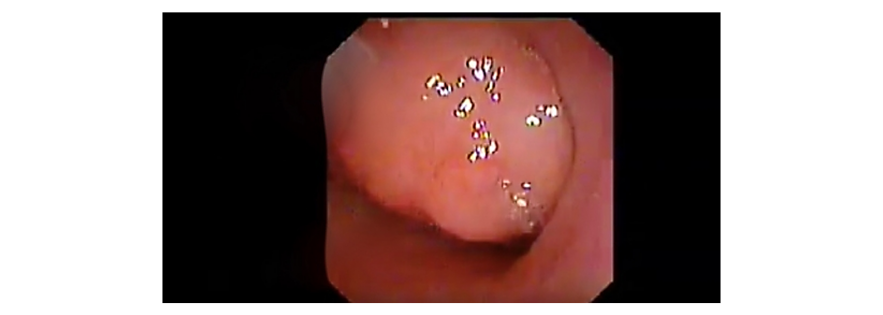
Diagnosing diaphragm disorders and medical conditions of other parts of the nose with the use of the most advanced technologies.
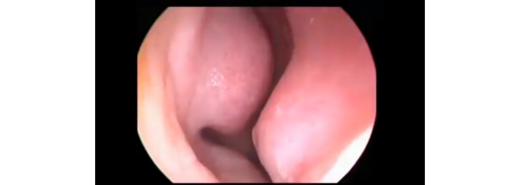
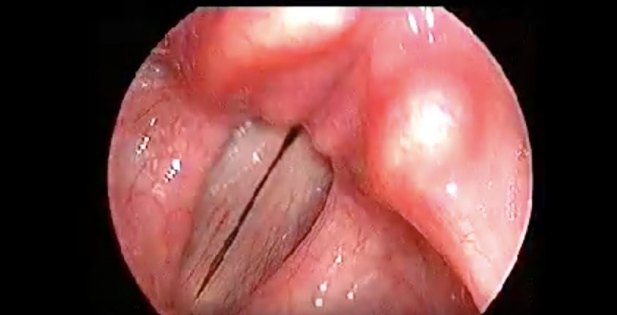
The examination for diagnosing disorders of the nasal septum, as well as other anatomical structures in the nose that may cause nasal breathing difficulties and snoring, is performed in the clinic using a flexible video endoscope.
How is the examination of the nasal septum and other nasal conditions performed in the clinic?
Initially, cotton pledgets soaked in Xylocaine are placed inside the nose to provide mild local anesthesia. This is followed by examination of the entire nasal airway using a state-of-the-art, high-resolution flexible video endoscope.
The examination takes very little time and is well tolerated by the patient thanks to the endoscope's very small diameter (3 millimeters), soft construction and special hydrophilic coating.
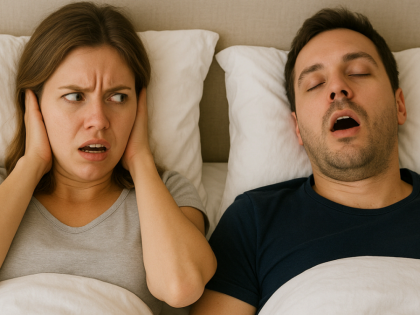
In this way, all anatomical structures that may obstruct airflow during breathing and cause breathing difficulties, as well as sleep apnea and snoring, can be identified.
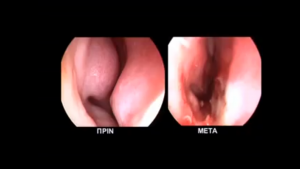
This examination allows the detection of nasal septum abnormalities, such as cartilaginous nasal spurs or deviation of the bony part of the nasal septum, enlarged nasal turbinates, persistent enlargement of the adenoids in the nasopharynx, as well as possible nasal polyps, which may or may not be associated with chronic allergic rhinitis.
Finally, all the findings are explained in detail to the patient, and the most appropriate and technologically advanced solution is recommended to correct the anatomical obstruction causing the breathing difficulty. At the same time, the video recording of the patient's examination is sent electronically by the clinic's secretary via email.
What are the advantages of endoscopic examination of the nasal septum using a video endoscope?
The major advantage of video endoscopy for diagnosing abnormalities of the nasal septum and other nasal conditions is that it ensures the best possible surgical planning and reliably determines whether the anatomical problem with the septum is located in its cartilaginous or bony part.
This allows us to safely select the most appropriate surgical technique to accurately correct the anatomical abnormality responsible for the nasal breathing problem.
Finally, proper surgical planning minimizes the rate of surgical failures and possible recurrences, as all the factors affecting nasal breathing are taken into account (nasal turbinates, adenoids, allergic nasal mucosa, bony and cartilaginous nasal septum, rhinosinusitis), thereby allowing for combined treatment.
In other words, the problems of the nasal septum are not treated in isolation. Instead, a more holistic approach to nasal conditions is adopted, allowing the most appropriate treatment to be selected.
Are you looking for answers and seeking a solution to your health concerns?
Monday to Thursday: 5 pm - 8 pm and Friday: 10:30 am - 1 pm
Call usOR
Please fill out the contact form: