Any interruption of breathing during sleep that lasts more than 10 seconds is considered pathological sleep apnea.
Any interruption of breathing during sleep that lasts more than 10 seconds is considered pathological sleep apnea. When there are more than 10 apnea episodes in one hour of sleep, this is referred to as Sleep Apnea Syndrome. According to statistics, 2 to 4% of the population suffers from sleep apnea.
There are 3 types of apnea:
- Central: caused by damage to the Central Nervous System
- Obstructive (O.S.A), caused by obstruction of the upper airway
- Mixed: combines central and obstructive apnea
The syndrome of obstructive sleep apnea (Obstructive Sleep Apnea) is caused by obstruction of the upper airway due to the collapse of the walls of the soft palate and pharynx during sleep.
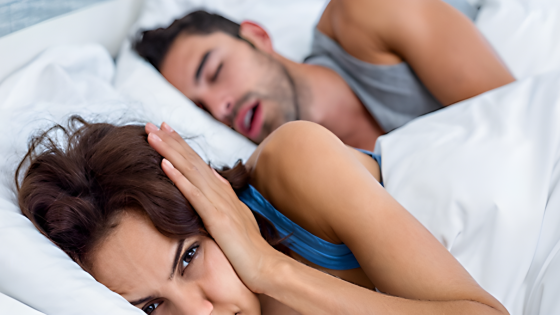
Normally, the airway remains open due to the action of the muscle tone of the uvular and pharyngeal muscles. During sleep, however, muscle tone relaxes, resulting in the collapse of the walls and obstruction of the airway in patients with an existing anatomical problem. It is almost always accompanied by loud snoring.
What are the causes of obstructive sleep apnea?
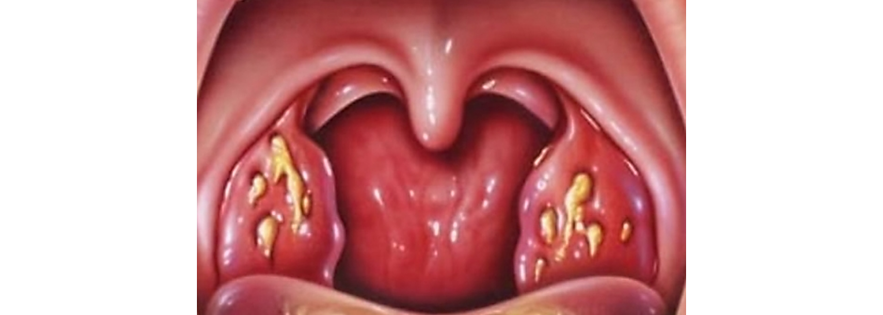
The most common anatomical obstructions responsible for narrowing the airway and predisposing to snoring and sleep apnea are a deviated nasal septum, hypertrophy of the inferior nasal turbinates, hypertrophic adenoids, enlarged tonsils, and mainly an enlarged uvula and narrow palatal arches.
Important predisposing factors include obesity, a short and thick neck, smoking, alcohol consumption before sleep, heavy meals shortly before bedtime, sleeping in the supine position, and the use of sedatives, antidepressants or sleeping medication.
Symptoms of obstructive sleep apnea syndrome include, in addition to snoring, frequent awakenings accompanied by a feeling of suffocation, night sweats, morning fatigue and sleepiness, irritability, malaise, impaired concentration and attention, reduced performance at work or school, gastroesophageal reflux, nocturnal enuresis, reduced sexual desire, decreased blood oxygen levels, as well as serious cardiovascular complications such as hypertension, arrhythmias and even sudden death.
How is sleep apnea diagnosed?
The patient must undergo a special sleep study called polysomnography, which is performed in specially equipped centers. During the sleep study, the patient must remain connected throughout the entire period of sleep to special equipment that records the number and duration of the apneas, changes in the electrocardiogram, drops in blood oxygen saturation, etc.
In recent years, home sleep studies using a portable digital recording device have also been developed, making the examination more convenient for the patient without compromising its reliability.
What is the treatment for sleep apnea?
Treatment is either surgical or conservative. Surgical treatment involves the removal of portions of the tonsils, soft palate and uvula (uvulopalatopharyngoplasty) and aims to widen the airway.
Conservative treatment consists of the use of a special continuous positive airway pressure (C-PAP) mask, which aims to keep the airway open throughout sleep. However, many patients do not tolerate the use of such a device, as they report that the continuous flow of air is particularly uncomfortable, to the extent that they prefer to sleep without it.
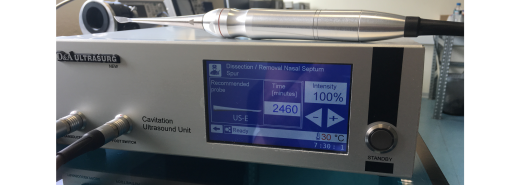
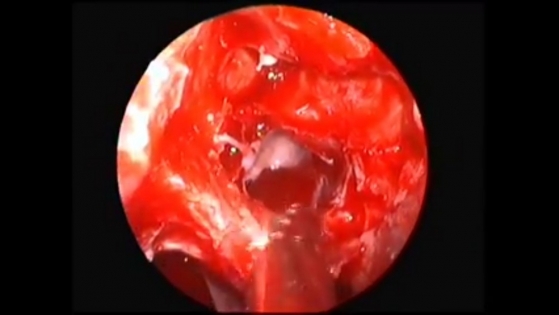
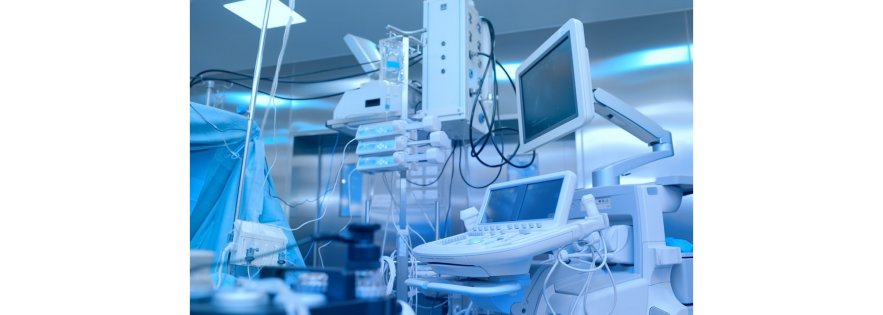
In recent years, the use of surgical ultrasound has been increasingly applied in the treatment of snoring and sleep apnea. This is a modern device consisting of a generator that produces high-frequency vibrations (44KHz/sec), which are transmitted to the ultrasonic cutting instrument, which corrects the anatomical obstruction (uvula, palatal arches, tonsils, etc.) causing narrowing of the airway.
The comparative advantages of ultrasound are the following:
- they are completely bloodless, as they cauterize all small blood vessels
- they are almost painless for the patient, as they do not use a scalpel or sutures at all
- they provide complete sterilization due to the vibration at such high frequencies.
- they can be applied even without general anesthesia
- they significantly reduce the duration of the procedure (15-20 minutes) and recovery time.
- they do not cause the thermal damage to adjacent tissues associated with other methods (Radiofrequency, LASER), as they operate at a low temperature.
- they make the procedure much gentler, and within a few hours the patient can return home.
Are you looking for answers and seeking a solution to your health concerns?
Monday to Thursday: 5 pm - 8 pm and Friday: 10:30 am - 1 pm
Call usOR
Please fill out the contact form: