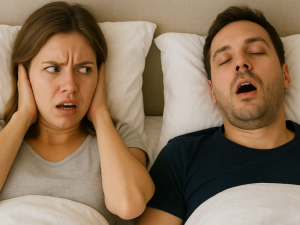
Is snoring just a bad habit? When can it become dangerous?
Snoring may seem like a harmless, annoying habit, but in some cases it can be just the tip of the iceberg, concealing serious health problems, particularly when associated with episodes of sleep apnea, during which breathing and oxygen supply are interrupted during sleep.
Causes of snoring:
Snoring is caused by the vibration of the soft tissues of the pharynx as air passes through the upper airway, particularly the uvula, soft palate and tonsils. During the day, we do not snore because muscle tone keeps these structures stable. During sleep, however, relaxation of the pharyngeal muscles causes these tissues, especially the uvula, to vibrate.
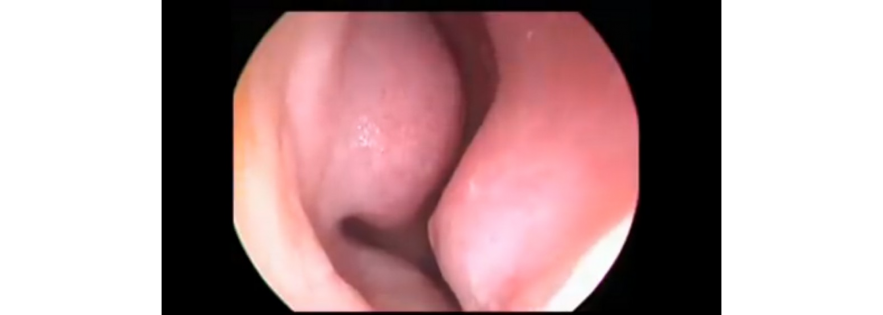
The main anatomical obstructions that can narrow the upper airway and consequently cause snoring include:
- Deviated nasal septum and hypertrophic nasal turbinates
- Enlarged adenoids (commonly known as adenoid vegetations) in the nasopharynx
- Enlarged tonsils
- An enlarged or elongated uvula
- Narrow palatal arches of the soft palate
Are you looking for answers and seeking a solution to your health concerns?
Monday to Thursday: 5 pm - 8 pm and Friday: 10:30 am - 1 pm
Call usOR
Please fill out the contact form:
Pre-determined factors:
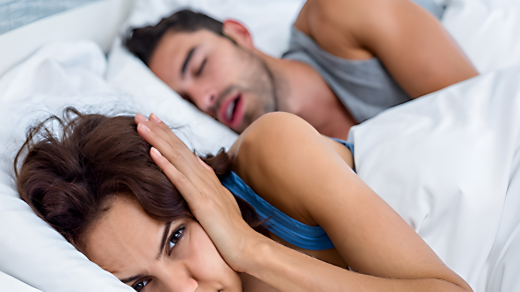
Men are known to snore more than women because of a different fat distribution. Elderly people also snore more because the pharyngeal muscle tones, as well as the palate and uvula muscles reduce with aging, thus resulting in the airways narrowing.
There is a direct connection between snoring and alcohol consumption, as well as the use of soporifics; alcohol and soporifics cause the pharyngeal tissues to relax resulting to recession of the pharyngeal walls and throat obstruction.
Moreover, high consumption of coffee and cigarette smoking on a daily basis may cause snoring.
The main symptoms of snoring include restless sleep, morning headaches, excessive feeling of fatigue in the morning, unusual daytime drowsiness, sluggishness, concentration and attention disorders, decreased performance and frequent change of feelings.
Snoring Prevention:
Snoring can be prevented if, from the moment it first appears, a careful investigation of finding and treating its causes takes place in the ENT clinic. Weight loss may be of great value for obese patients.
It is also essential to avoid alcohol and sleep-suppresive substances consumption, and to limit smoking. Other ways of prevention include frequent physical exercise, proper posture and the use of a suitable sleeping mattress and pillow; it is also advisable to avoid consuming large meals before bedtime. The use of nasal expanders that are sold in pharmacies seems to be of little help and only in the cases where snoring is due to nasal obstruction.
Is snoring dangerous?
Snoring itself, apart from the fatigue it causes due to the poor quality of sleep, it is often neither dangerous nor life-threatening for the patient. But if it is accompanied by known episodes of sleep apnea, thus interruption of breathing during sleep, then there is a risk that it forms part of a general syndrome called Sleep Apnea Syndrome (SAS).
The Sleep Apnea Syndrome has a very serious impact on the patient’s health and it is even life-threatening as it is associated with hypertension, coronary artery disease and arrhythmias. In case your partner wakes up suddenly at night, gasping for air, it is advisable to seek help at a special ENT or to undergo a Sleep Study.
Because the Obstructive Sleep Apnea Syndrome (OSAS) is accompanied by specific symptoms, you should be seriously alarmed in case your partner shows one or more of the following: waking up with a feeling of suffocation, sweating during night, tiredness in the morning and sleepiness, irritability, bad mood, concentration and attention disorders, decreased efficiency at work or school, gastroesophageal reflux, nocturnal enuresis, decreased sexual desire, low blood oxygen levels, as well as serious cardiovascular complications such as hypertension, arrhythmias, tachycardias or bradycardias.
Moreover, unusual drowsiness after eating or sleepiness while driving or watching a movie or TV are signs that a person may be suffering from sleep apnea, therefore they should contact a physician as soon as possible.