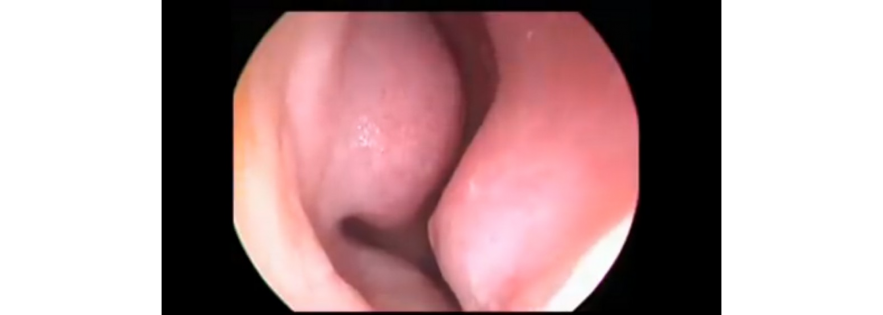
Bad breath (halitosis) is the unpleasant odor of a person's exhaled breath, which is noticed by another person. Usually, the patient is unaware of the problem. It is an unpleasant condition that can cause significant psychological and social difficulties. Particular attention is needed because, apart from the social isolation it may lead to, it can also be a sign of an underlying serious health problem.
How is bad breath diagnosed?
Bad breath is diagnosed by assessing the patient's exhaled breath, first through the nose with the mouth closed, then through the mouth with the nose closed, and finally through both the nose and mouth together. Based on the findings, it is evaluated whether the problem originates in the nose, mouth or nasopharynx.
What are the most common causes of bad breath?
Dental and oral conditions: poor oral hygiene, fixed dental prostheses, periodontitis, acute necrotizing gingivitis, smoking, dry mouth, fungal infections of the mucous membranes, etc.
- ENT conditions: chronic sinusitis, chronic cryptic tonsillitis, inflamed adenoids, nasal polyps, chronic rhinitis, malignancies of the nasopharynx or larynx.
- Gastroenterological causes: gastroesophageal reflux disease (GERD), nasopharyngeal cyst, esophageal diverticulum, gastric ulcer, gastritis, etc.
- Medical conditions: diabetes mellitus, liver cirrhosis, alcoholism, starvation, bronchitis, pneumonia.
- Psychogenic halitosis: schizophrenia, somatic anxiety, temporal lobe epilepsy.
- Endocrine-related causes: vitamin deficiencies (D3, B12) or electrolyte imbalances.
- Frequent consumption of foods with strong odors (garlic, onion, spices) or alcohol.
What serious health risks can bad breath indicate?
Particular attention is required during an ENT examination, where malignancy of the larynx, pharynx and nasopharynx must be ruled out, especially through a specialized examination using a flexible video endoscope. A CT or MRI scan of the neck or facial structures may also be necessary in many cases to rule out malignancy involving the sinuses or neck.
How is bad breath treated? - The role of ultrasound when the cause is the tonsils
Treatment of bad breath depends on the underlying cause identified by the doctor during the examination of the patient.
If the cause originates in the nasopharynx, treatment may involve local cauterization of the area using a cotton applicator soaked in zinc chloride.
If no clear cause is identified, mouthwashes containing aromatic essential oils or Chios mastic have been found to be helpful.
What is the role of ultrasound when bad breath is caused by the tonsils?
When bad breath is caused by cryptic tonsillitis, the tonsils have crypts (small pits or holes) on their surface that trap food debris, which can decompose and produce unpleasant odors. In such cases, cryptolysis using ultrasonic surgical technology may be an appropriate treatment option.
Using a specialized ultrasonic tip, the ultrasound device reaches the tonsillar crypts where food debris becomes trapped and treats them, smoothing the surface of the tonsils. The procedure is intended to help clean the tonsils and reduce the accumulation of debris within the crypts.
Ultrasonic tonsil cryptolysis is performed quickly and without general anesthesia and is relatively well tolerated. In cases of enlarged tonsils, it may also be combined with reduction of tonsil size, a procedure known as tonsillotomy or tonsil reduction.
Are you looking for answers and seeking a solution to your health concerns?
Monday to Thursday: 5 pm - 8 pm and Friday: 10:30 am - 1 pm
Call usOR
Please fill out the contact form: