What are nasal turbinates (nasal conchae), which are the factors that can cause their enlargement and how can they be treated?
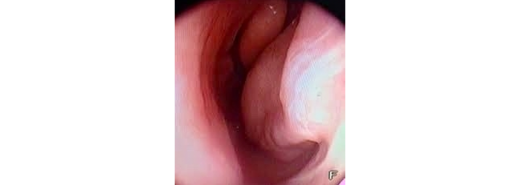
The nasal turbinates are anatomical structures located inside the nose. They have a curved, shell-like shape and help regulate airflow through the nasal cavity.
Specifically, they are situated along the lateral walls of the nose and consist of bone covered by mucous membrane.
There are three pairs of nasal turbinates: the superior turbinates, located in the upper part of the nasal cavity; the middle turbinates, located near the openings of the paranasal sinuses; and the inferior turbinates, located along the floor of the nasal cavity.
The inferior turbinates play a particularly important role in normal breathing. Thanks to their rich vascular network, they help regulate airflow and circulation within the nose.
What is the function of the nasal turbinates?
The main functions of the nasal turbinates are to warm, filter and humidify inhaled air, preparing it for passage into the lungs. These three functions - humidification, warming and filtration - are essential for normal breathing and for conditioning the air before it reaches the lower respiratory tract and lungs.
When can nasal turbinate problems develop and what causes turbinate hypertrophy?
Because of their sensitive anatomical structure, the nasal turbinates are particularly susceptible to environmental influences and changes, including humidity, dry air, environmental pollution, sudden changes between warm and cold air, allergens, cigarette smoke and other irritants.
These factors can cause the blood vessels within the turbinates to dilate, resulting in swelling and enlargement of the turbinates. This reduces the diameter of the nasal airway and makes breathing through the nose more difficult.
What are the symptoms of nasal turbinate hypertrophy?
Enlarged, hypertrophic nasal turbinates can cause significant difficulty breathing through the nose and may also contribute to snoring or episodes of sleep apnea.
Due to impaired nasal breathing and poor sleep quality, patients may also experience general discomfort, morning headaches, dryness of the mouth or throat, and daytime fatigue.
How is nasal turbinate hypertrophy treated?
The best approach is to treat the underlying cause - that is, to identify and address the factor responsible for the impaired function or enlargement of the nasal turbinates.
When turbinate hypertrophy is caused by allergic rhinitis, treatment focuses on controlling the allergy. This may involve a combination of corticosteroid nasal sprays and oral antihistamines or, where appropriate, allergen desensitization and immunotherapy.
When the problem is medication-induced rhinitis, an attempt is made to discontinue the overuse of decongestant nasal sprays.
In cases of dry rhinitis, saline nasal rinses and nasal emollient ointments may help relieve symptoms.
Finally, in persistent cases of chronic rhinitis accompanied by inferior turbinate hypertrophy, ultrasonic surgical treatment may be an appropriate option. Using very high-frequency vibrations, this technique aims to reduce turbinate volume with minimal bleeding while avoiding the thermal damage or burns to surrounding tissues that may occur with other techniques.
The results may last longer than those achieved with some other nasal turbinate cauterization methods. However, long-term outcomes also depend on identifying and managing contributing environmental factors, such as smoking and allergies.
Are you looking for answers and seeking a solution to your health concerns?
Monday to Thursday: 5 pm - 8 pm and Friday: 10:30 am - 1 pm
Call usOR
Please fill out the contact form: