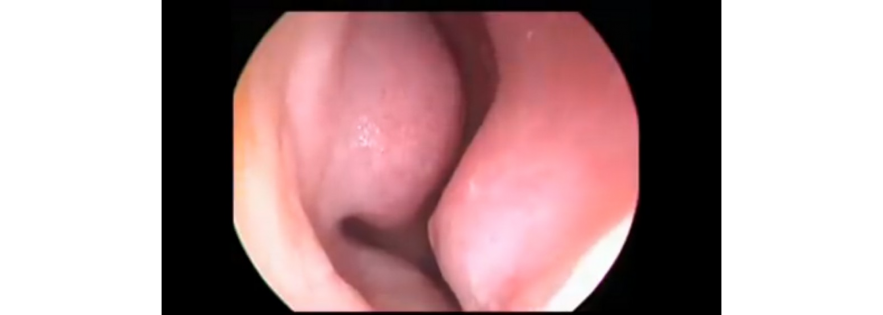
Sinusitis is the inflammation of one or more of the paranasal sinuses.
What Are the Maxillary Sinuses?
The maxillary sinuses are air-filled cavities within the facial bones, located on either side of the nose. In addition to the maxillary sinuses, there are other paranasal sinuses: the frontal sinuses, sphenoid sinuses and ethmoid sinuses. These sinuses help warm inhaled air, act as resonating chambers for the voice and protect the brain in the event of facial skull trauma.
What Causes Sinusitis?
Acute sinusitis may result from:
- A common cold.
- Infections of the upper jaw teeth.
- Complicated facial fractures.
- Diving in contaminated water or swimming in contaminated swimming pools.
- Deep diving without adequate nasal decongestion.
The most common bacteria responsible for sinusitis include Streptococcus pneumoniae (pneumococcus), streptococci, staphylococci, Haemophilus influenzae and Moraxella. Anaerobic bacteria are less commonly involved, while various viruses are responsible for many cases in children.
How Does Sinusitis Develop and What Are the Most Common Predisposing Factors?
The maxillary sinuses communicate with the nasal cavity through a very small opening. Any obstruction of this opening, for example due to a common cold, can impair sinus ventilation and drainage, eventually leading to sinusitis. Thus, a common cold lasting at least one week may develop into sinusitis, which is usually accompanied by fluid accumulation within the maxillary sinus. Statistically, 0.5%–2% of common colds progress to sinusitis.
Other predisposing factors for sinusitis include allergic rhinitis, a deviated nasal septum, enlargement of the middle nasal turbinate, nasal polyps, fractures extending into the sinuses, prolonged nasal packing, diving in contaminated water, smoking (which damages the cilia responsible for clearing mucus), primary ciliary dyskinesia and other conditions. Recurrent episodes of rhinosinusitis may sometimes be an early clinical manifestation of AIDS.
What Are the Symptoms of Sinusitis?
The most common symptoms of sinusitis may include:
- Headache
- Facial pressure
- Nasal congestion
- Purulent nasal discharge
- Cough
- General malaise
- Low-grade fever
- Toothache
- Postnasal discharge
- Fatigue and weakness
- Bad breath (halitosis)
- Other symptoms
Possible complications of untreated or neglected sinusitis include a mucocele, osteomyelitis of the skull bones, meningitis, cavernous sinus thrombosis, brain abscess and spread of inflammation into the orbit, potentially causing double vision or even blindness.
How Is Sinusitis Diagnosed?
Diagnosis is based on the patient's medical history and current clinical presentation, anterior rhinoscopy performed at the ENT clinic, and sinus X-rays, which may demonstrate fluid accumulation, opacification or mucosal thickening within the maxillary sinus.
In cases of acute sinusitis, maxillary sinus ultrasound may be indicated to identify fluid accumulation. This examination is particularly useful for pregnant women and children, in whom exposure to radiation should be avoided whenever possible. The sinus ultrasound equipment available at the ENT clinic is described in the Equipment & Technology section of the website.
In cases of chronic sinusitis, computed tomography (CT) is recommended for a more comprehensive assessment of all the paranasal sinuses and any underlying pathology, including nasal polyps.
What Is the Treatment for Sinusitis and Mucosal Thickening?
In cases of mucosal thickening (a radiological term), appropriate treatment includes frequent nasal irrigation with hypertonic saline solutions.
Treatment for acute sinusitis is initially conservative and medical. According to the original treatment approach described here, antibiotics may be prescribed based on an antibiogram from a culture obtained directly from the affected maxillary sinus following sinus puncture.
Since obtaining such a culture is often impractical, antibiotics with a broad antimicrobial spectrum, including activity against anaerobic bacteria, have traditionally been used. These include clindamycin (Dalacin), amoxicillin–clavulanic acid (Augmentin), cephalosporins (e.g. Procef), and newer fluoroquinolones such as levofloxacin (Tavanic) and moxifloxacin (Avelox), among others.
In addition to antibiotic treatment when indicated, relieving nasal congestion is particularly important because it also helps open the sinus drainage pathway, allowing secretions to drain more freely. For this purpose, nasal sprays, usually containing corticosteroids, may be prescribed to reduce swelling of the nasal mucosa.
The overall duration of treatment, according to the original text, should be at least 10–12 days.
In cases of chronic or treatment-resistant sinusitis, surgical opening and cleaning of the affected sinus may be considered. In recent years, Functional Endoscopic Sinus Surgery (FESS) has become an established surgical technique. It enlarges the natural opening of the maxillary sinus and helps restore normal ventilation and drainage.
Are you looking for answers and seeking a solution to your health concerns?
Monday to Thursday: 5 pm - 8 pm and Friday: 10:30 am - 1 pm
Call usOR
Please fill out the contact form: